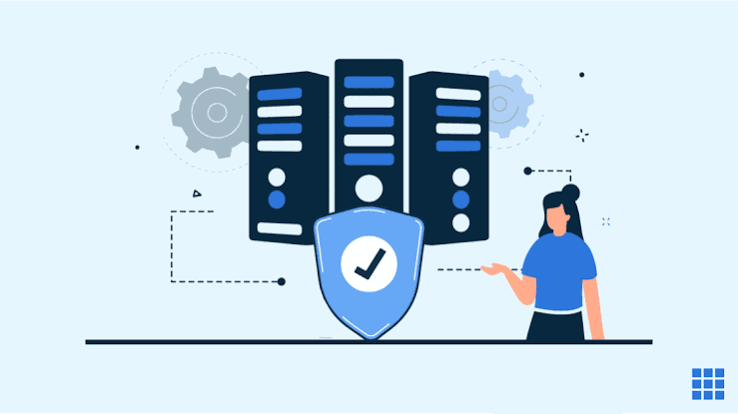

Security is one of the most important considerations when operating any cryptocurrency-related online project. Websites, APIs, development environments, monitoring applications, and blockchain-related services may depend on servers that remain accessible over the internet. Without proper protection, a poorly configured server can become vulnerable to unauthorized access, malware, data loss, or service disruption.
A Crypto VPS can provide users with greater control over their server environment, but that control also creates responsibility. Users need to configure their VPS carefully and follow practical security practices to protect applications and data. Understanding the fundamentals of VPS security can help cryptocurrency users create a safer and more reliable hosting environment.
Understanding Crypto VPS Security
A Crypto VPS is not automatically secure simply because it is a virtual private server. Security depends on several factors, including the hosting provider’s infrastructure, the operating system, installed applications, access controls, network configuration, and the user’s administrative practices.
The advantage of VPS hosting is that users typically have greater control over these elements. They can configure firewalls, manage accounts, install security updates, monitor activity, and remove unnecessary services.
This flexibility makes VPS hosting useful, but it also means users should take an active approach to security.
Use Strong Authentication
One of the simplest ways to improve server security is to protect administrative accounts with strong authentication.
Weak or reused passwords can make servers easier targets for unauthorized access. Administrators should use strong, unique credentials and avoid sharing administrative login information unnecessarily.
Where supported, SSH keys can provide an additional layer of protection for server access. Users should also limit administrative access to trusted accounts rather than giving every user full privileges.
For sensitive environments, multi-factor authentication can provide another useful security layer when it is supported by the operating system, management panel, or other relevant services.
Keep Software Updated
Outdated software can contain known security vulnerabilities. Attackers may target weaknesses in operating systems, web servers, databases, frameworks, plugins, and other applications.
Regular updates are therefore an important part of managing a Crypto VPS.
Administrators should monitor available security updates and apply them appropriately. Critical applications should also be reviewed regularly to ensure that outdated versions are not being used unnecessarily.
Keeping software updated does not eliminate every security risk, but it reduces exposure to vulnerabilities that have already been identified and addressed by developers.
Configure a Firewall
A firewall can help control which network connections are allowed to reach a server. Instead of exposing every available service to the internet, administrators can restrict access to only the ports and services required by their applications.
For example, a server may need to accept web traffic while restricting access to administrative services.
Firewall configuration should be handled carefully because blocking a required connection can make applications inaccessible. Beginners should understand which services their applications require before changing firewall rules.
Limit Administrative Access
Not every user or application needs full administrative privileges. Limiting permissions can reduce the potential impact of compromised accounts or software.
Administrators should create separate user accounts when appropriate and provide only the permissions required for specific tasks.
This principle of least privilege is particularly useful for larger projects where multiple developers or administrators may need access to the same server.
Secure Remote Access
Remote server administration is one of the most useful features of VPS hosting, but it also needs to be secured.
Administrators should use secure protocols and avoid exposing unnecessary services. SSH configuration can be strengthened by using key-based authentication, restricting access, and disabling unnecessary login methods where appropriate.
Access logs should also be reviewed periodically. Unexpected login attempts or unusual access patterns can provide early indications of suspicious activity.
Protect Sensitive Information
Cryptocurrency-related projects may use API credentials, database passwords, application secrets, and other sensitive configuration information. These credentials should not be stored carelessly or exposed in public code repositories.
Applications should use appropriate methods for managing secrets. Access should be restricted to the services and users that actually need the information.
If a credential is accidentally exposed, it should be replaced as quickly as possible. Simply deleting the visible copy may not be enough if the credential has already been accessed by someone else.
Use Reliable Backups
Security is not only about preventing attacks. It is also about being able to recover when something goes wrong.
Regular backups can protect important application data and configurations from accidental deletion, software failures, security incidents, or other unexpected problems.
A Crypto VPS provider may offer snapshots or automated backups, but users should understand exactly what is included and how recovery works.
For important projects, maintaining an additional independent backup can provide greater protection against server-level failures.
Monitor Server Activity
Security monitoring can help identify unusual activity before it becomes a serious problem.
Administrators can monitor CPU usage, memory consumption, disk activity, network traffic, login attempts, and application logs. Unexpected changes may indicate a configuration problem, compromised account, malicious software, or another issue requiring investigation.
Monitoring tools can also provide alerts when certain thresholds are exceeded. This allows administrators to respond more quickly instead of discovering a problem after the service has already been affected.
Remove Unnecessary Services
Every active service can potentially introduce additional security considerations. Running software that is not required for a project can increase the number of components that need to be maintained and updated.
After setting up a Crypto VPS, administrators should review installed applications and running services. Unnecessary software should be removed or disabled when appropriate.
A simpler server environment is generally easier to maintain, monitor, and secure.
Choose a Reliable VPS Provider
Server security begins with the hosting provider. A VPS provider is responsible for maintaining the physical infrastructure, virtualization environment, data center facilities, and network infrastructure.
When choosing a Crypto VPS provider, users should examine its security practices, infrastructure reliability, backup options, network protection, technical support, and acceptable-use policies.
A provider with dependable infrastructure and responsive support can make it easier to handle technical or security-related issues.
Consider Server Location and Network Protection
Server location can influence both performance and network security considerations. Users should select a data center that provides reliable connectivity for their intended audience and applications.
Some hosting providers may also offer network-level security features designed to help protect servers against certain forms of malicious traffic.
However, network-level protection should complement rather than replace server-level security practices.
Protect Development Environments
Developers often use VPS servers to test applications before deploying them to production environments. Development servers can contain experimental software, temporary credentials, and unfinished configurations.
These environments should still receive appropriate security attention. Test applications should not expose unnecessary services to the public internet, and sensitive production credentials should not be copied into development environments without a clear security reason.
Separating development and production environments can also reduce the potential impact of configuration mistakes.
Prepare for Security Incidents
Even strong security practices cannot guarantee that a server will never experience an incident. A response plan can make recovery faster and more organized.
Administrators should know how to isolate a compromised server, restore backups, change affected credentials, review logs, and redeploy applications if necessary.
Regularly testing backups and documenting recovery procedures can save valuable time during an unexpected incident.
Balance Security and Performance
Security measures should be implemented carefully so that they do not unnecessarily interfere with application performance.
A well-configured Crypto VPS should provide both appropriate protection and sufficient resources for the applications it hosts. Monitoring CPU, memory, storage, and network usage can help administrators identify whether security tools or other services are consuming excessive resources.
The goal is to create a balanced environment where security, performance, reliability, and usability work together.
Final Thoughts
Protecting a Crypto VPS requires ongoing attention rather than a one-time configuration. Strong authentication, secure remote access, firewalls, software updates, limited permissions, backups, monitoring, and careful management of sensitive information can significantly improve the security of a digital project.
Choosing a reputable hosting provider is equally important. Users should evaluate infrastructure, support, backup options, and security features before selecting a VPS plan.
With responsible administration and consistent security practices, a Crypto VPS can provide a flexible environment for hosting legitimate cryptocurrency websites, applications, development projects, and online services while helping users maintain greater control over their digital infrastructure.