

Ujjivan Small Finance Bank Share Price is an important topic for investors who want to follow the Indian banking sector and understand the performance of this small finance bank. The share price changes according to market demand, the bank’s financial results, loan growth, and overall stock market conditions.
Investors who follow Ujjivan Small Finance Bank should pay attention to its latest share price, quarterly profits, asset quality, and future business outlook. Understanding these factors can help readers evaluate the bank’s financial performance and make more informed investment decisions. Since stock prices fluctuate regularly, always check the latest market data before investing.
Ujjivan Small Finance Bank Share Price Today
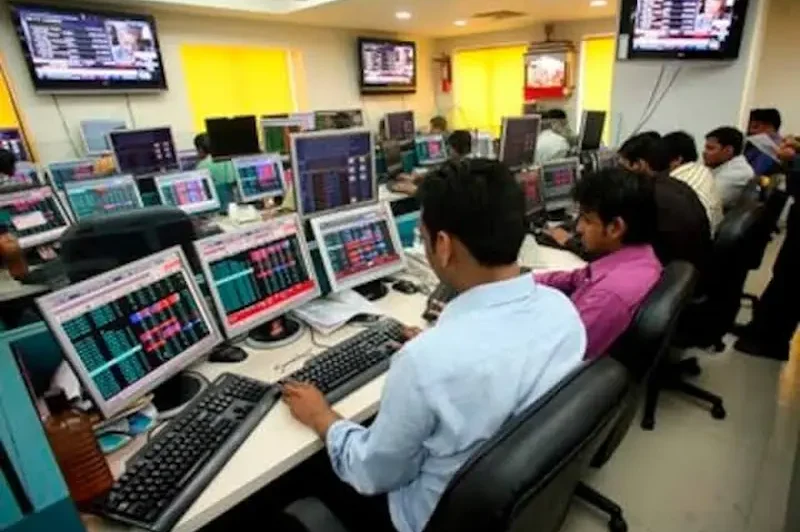
The Ujjivan Small Finance Bank share price changes throughout the trading day based on buying and selling activity, company performance, and overall market conditions. Investors should check the latest available market data to understand the stock’s current value before making any decisions.
Important Share Price Details
- Current share price: Check the latest quoted price on the NSE or BSE. Ujjivan Small Finance Bank Share Price
- Opening price: The price at which the stock begins trading for the day. Ujjivan Small Finance Bank Share Price
- Day’s high and low: The highest and lowest prices recorded during the trading session.
- Previous closing price: The final traded price reported for the previous trading session.
- Trading volume: The number of shares traded during a given period. Ujjivan Small Finance Bank Share Price
For example, on October 26, 2026, Business Standard reported the NSE price at ₹55.00 at 3:31 PM IST and the BSE price at ₹55.63 at 3:52 PM IST. These are time-stamped figures, not a live quote. Ujjivan Small Finance Bank Share Price
Business Standard
How to Check the Latest Share Price
Investors can check the latest Ujjivan Small Finance Bank share price by searching its NSE ticker symbol, UJJIVANSFB, on a trusted market-data platform. Always confirm the exchange, date, and time of the quote before using it in an article or making an investment decision. Ujjivan Small Finance Bank Share Price
Overview of Ujjivan Small Finance Bank
Ujjivan Small Finance Bank is an Indian small finance bank that provides banking services to individuals, families, and small businesses. It focuses on improving access to financial services by offering savings accounts, fixed deposits, loans, and digital banking solutions. The bank is part of India’s small finance banking sector, which aims to serve customers who may have limited access to traditional banking. Ujjivan Small Finance Bank Share Price
What Does Ujjivan Small Finance Bank Do?
The bank offers a variety of financial products designed for everyday banking and long-term financial planning. Customers can open savings accounts, invest in fixed and recurring deposits, apply for eligible loans, and use mobile and internet banking services for convenient transactions. Ujjivan Small Finance Bank Share Price
Its business also includes lending to individuals and small businesses, making loan growth and repayment performance important factors that investors monitor when evaluating the company’s financial health.
Why Do Investors Follow Ujjivan Small Finance Bank?
Investors closely watch Ujjivan Small Finance Bank because its business performance can influence its share price. Strong deposit growth, healthy loan expansion, improved profitability, and better asset quality can increase investor confidence, while rising non-performing assets (NPAs), weaker earnings, or broader market challenges may affect the stock’s performance.
Role in India’s Banking Sector
As a small finance bank, Ujjivan plays an important role in expanding financial inclusion across India. It serves customers through a network of branches and digital banking channels, helping individuals and businesses access essential financial services.
Understanding the bank’s business model is useful when analyzing the Ujjivan Small Finance Bank Share Price because the company’s financial performance, customer growth, and lending quality often influence investor sentiment and stock market performance. Ujjivan Small Finance Bank Share Price
Historical Share Price Performance of Ujjivan Small Finance Bank
The historical share price performance of Ujjivan Small Finance Bank helps investors understand how the stock has moved over time. By studying past price movements, investors can identify periods of growth, declines, and volatility. However, historical performance does not guarantee future results. Ujjivan Small Finance Bank Share Price
Short-Term Share Price Performance
Short-term share price movements can be influenced by quarterly financial results, changes in investor sentiment, banking sector news, and overall market conditions. Positive earnings updates may support buying interest, while disappointing results or concerns about loan repayments can put pressure on the share price. Ujjivan Small Finance Bank Share Price
Investors who follow short-term movements should also consider trading volume and the broader market rather than relying on daily price changes alone. Ujjivan Small Finance Bank Share Price
Long-Term Share Price Performance
Long-term performance depends on several factors, including the bank’s profitability, deposit growth, lending activities, asset quality, and ability to manage operating costs. Investors often review historical price charts alongside annual reports and financial statements to understand whether the bank’s business performance supports its market valuation.
How to Analyze Historical Share Prices
Investors can review the stock’s historical performance by checking:
- Price charts: Compare share prices across different periods.
- Annual performance: Review yearly price changes and market trends.
- Financial results: Compare price movements with changes in profit and revenue.
- Trading volume: Understand how actively the shares are being traded.
- Market conditions: Consider changes in interest rates and the wider banking sector.
Why Is Historical Performance Important?
Historical data can help investors understand the stock’s volatility and evaluate how the market has responded to important company developments. For an accurate analysis, use verified NSE or BSE historical data and clearly state the dates being compared. Avoid assuming that a past upward or downward trend will continue in the future.
Factors Affecting Ujjivan Small Finance Bank Share Price
The Ujjivan Small Finance Bank share price is influenced by several business and market factors. Understanding these factors helps investors evaluate why the stock may rise or fall and what information to monitor before making investment decisions.
1. Quarterly Financial Results
The bank’s quarterly financial results can significantly affect investor confidence. When the bank reports stronger profits, healthy income growth, or improved operating performance, investors may respond positively. Lower profits, higher expenses, or weaker financial results can create pressure on the share price.
2. Loan Growth and Repayment Performance
Loan growth is an important part of the bank’s business. When the bank expands lending responsibly and borrowers repay their loans on time, its financial performance may improve. However, rapid lending growth without proper risk management can increase the possibility of loan defaults and financial losses.
3. Non-Performing Assets (NPAs)
Non-performing assets are loans on which borrowers have stopped making payments for a specified period under applicable banking rules. Rising NPAs can affect profitability because the bank may need to set aside more money to cover potential losses. Lower NPAs and improved loan recovery can support investor confidence.
4. Interest Rates and Funding Costs
Changes in interest rates can influence the bank’s lending income and the cost of obtaining funds. If deposit costs rise faster than the interest earned on loans, profit margins may come under pressure. On the other hand, effective management of lending rates and deposit costs can help protect profitability.
5. Deposit Growth and Customer Confidence
Deposits provide an important source of funding for a bank. Strong deposit growth can support lending activities and business expansion. Investors may also monitor the bank’s deposit mix, funding costs, and ability to attract and retain customers.
6. Overall Stock Market Conditions
The broader Indian stock market can influence Ujjivan Small Finance Bank’s share price. Changes in market sentiment, economic expectations, banking sector performance, and investor risk appetite may cause the stock to move even when there is no major company-specific announcement.
7. Government Policies and Banking Regulations
Changes in Reserve Bank of India regulations, lending guidelines, and other financial policies can affect banking operations. Investors should follow relevant regulatory announcements because they may influence the bank’s costs, lending practices, and future growth opportunities.
Why These Factors Matter
No single factor determines the Ujjivan Small Finance Bank share price. Investors should consider financial results, loan quality, deposit growth, interest rates, and market conditions together. Reviewing reliable company disclosures and recent financial information can help readers develop a more balanced understanding of the stock.
Financial Performance of Ujjivan Small Finance Bank

The financial performance of Ujjivan Small Finance Bank is an important factor to consider when analyzing its share price. Investors often review the bank’s profits, interest income, loan growth, deposits, and asset quality to understand how well the business is performing. Strong financial results can support investor confidence, while weaker results may create uncertainty about future growth.
1. Revenue and Net Interest Income
Net interest income is the difference between the interest a bank earns on loans and investments and the interest it pays on deposits and other borrowings. It is an important measure of a bank’s core lending performance.
When net interest income grows steadily, it may indicate that the bank is managing its lending business effectively. However, investors should also examine funding costs and operating expenses to understand the overall financial picture.
2. Net Profit and Profitability
Net profit shows how much money the bank earns after accounting for expenses, provisions, taxes, and other costs. Consistent profitability can help demonstrate the strength of its business model.
Investors should compare quarterly and annual profits rather than relying on a single result. They should also check whether profit growth comes from regular banking operations or temporary factors.
3. Loan Growth and Deposit Performance
Loans and deposits are central to a bank’s operations. Loan growth can increase interest income, while deposit growth helps provide funds for lending. However, lending growth should be evaluated alongside repayment performance and the cost of attracting deposits.
A bank that expands its loan portfolio while maintaining sound lending standards may be better positioned for sustainable growth.
4. Asset Quality and Non-Performing Assets
Asset quality indicates how effectively a bank manages the risk of borrowers failing to repay loans. Investors commonly review gross non-performing assets (GNPA), net non-performing assets (NNPA), and provisions for potential loan losses.
Rising NPAs can reduce profitability and increase financial risk. Improving asset quality may support the bank’s financial stability, although investors should review several reporting periods before drawing conclusions.
5. Where to Find the Latest Financial Results
To evaluate Ujjivan Small Finance Bank accurately, readers should review its latest quarterly results, annual reports, and official stock exchange disclosures. These documents provide information about earnings, deposits, advances, profitability, and asset quality.
Important: Use verified figures from the latest available reports when publishing this section. Financial performance can change each quarter, so avoid using outdated numbers or making assumptions based on share price movements alone.
What is the Ujjivan Small Finance Bank share price today?
The share price changes during market hours based on buying and selling activity. Check the latest NSE or BSE market quote for the current price, day’s high and low, and trading volume.
What is the ticker symbol of Ujjivan Small Finance Bank?
The NSE ticker symbol for Ujjivan Small Finance Bank is UJJIVANSFB. Investors can use this symbol to find its share price and market information.
What factors affect Ujjivan Small Finance Bank’s share price?
Several factors can influence its share price, including quarterly profits, loan growth, deposit performance, non-performing assets (NPAs), interest rates, banking regulations, and overall stock market conditions.
Conclusion
Ujjivan Small Finance Bank Share Price is influenced by several factors, including financial performance, loan growth, deposit levels, asset quality, interest rates, and overall market conditions. Understanding these factors can help investors evaluate the bank’s business performance and make more informed decisions.
Before investing, readers should review the latest share price, quarterly results, and official financial reports rather than relying only on historical trends. Since stock market investments carry risks and prices can change at any time, careful research and a clear understanding of personal financial goals are essential.